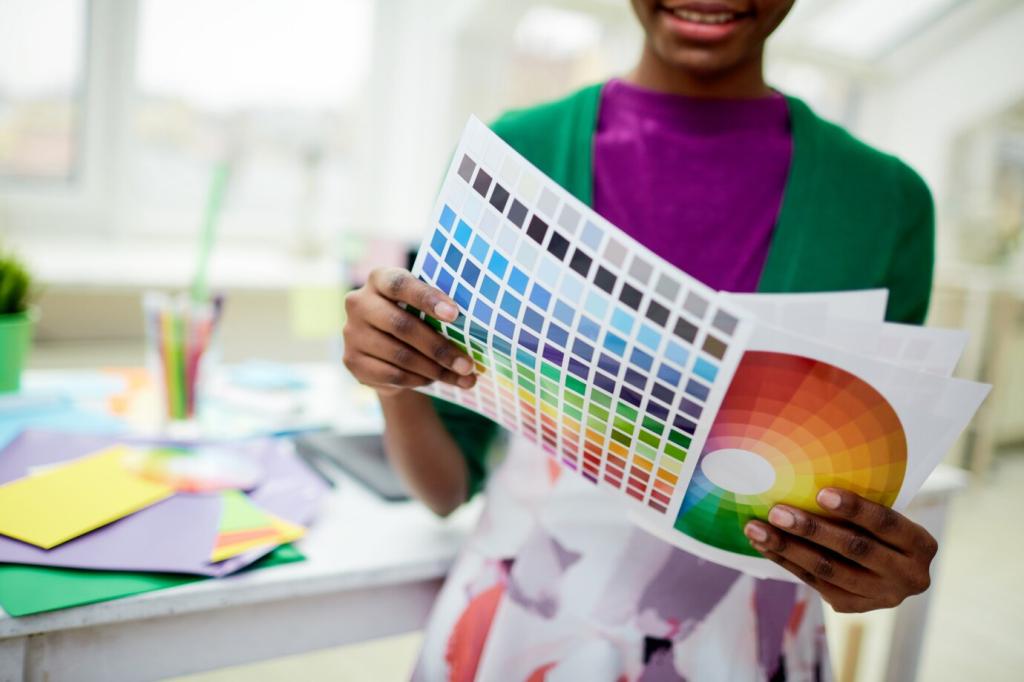
Harmonizing Interior Spaces with Color Psychology

Today’s chosen theme: Harmonizing Interior Spaces with Color Psychology. Explore how intentional palettes shape mood, behavior, and daily rituals, and join our community to share experiments, ask questions, and subscribe for fresh color insights.

Why Color Shapes How We Live

Warm and Cool Signals in the Brain

Warm colors can gently stimulate conversation and energy, while cool tones promote calm and reflection by lowering perceived temperature. Pairing the two thoughtfully balances social vibrancy with restorative quiet. Tell us which balance feels right at home.

Hue, Value, and Chroma Explained Simply

Hue is the color family, value is how light or dark it is, and chroma is its intensity. Harmony emerges when value contrast guides function and chroma stays measured. Comment with your favorite value pairings and why.

Lighting Makes or Breaks a Palette

Natural light shifts hue perception from morning cool to evening warm, altering how surfaces read. Test under every lamp and window before committing. Share photos of your room at different times to crowdsource objective feedback.

Room-by-Room Harmony Strategies

Low-chroma blues and gentle sages slow the nervous system and soften visual noise. Layer linen textures, matte finishes, and off-white trims to diffuse light. Share your bedtime palette experiments and what helped you unwind faster.

Room-by-Room Harmony Strategies

Earthy terracotta grounds while sunflower washes encourage sociability and appetite. Balance cheerful hues with natural wood and brushed metal to avoid glare. Post your breakfast nook colors and tell us how mornings feel now.

Analogous Calm

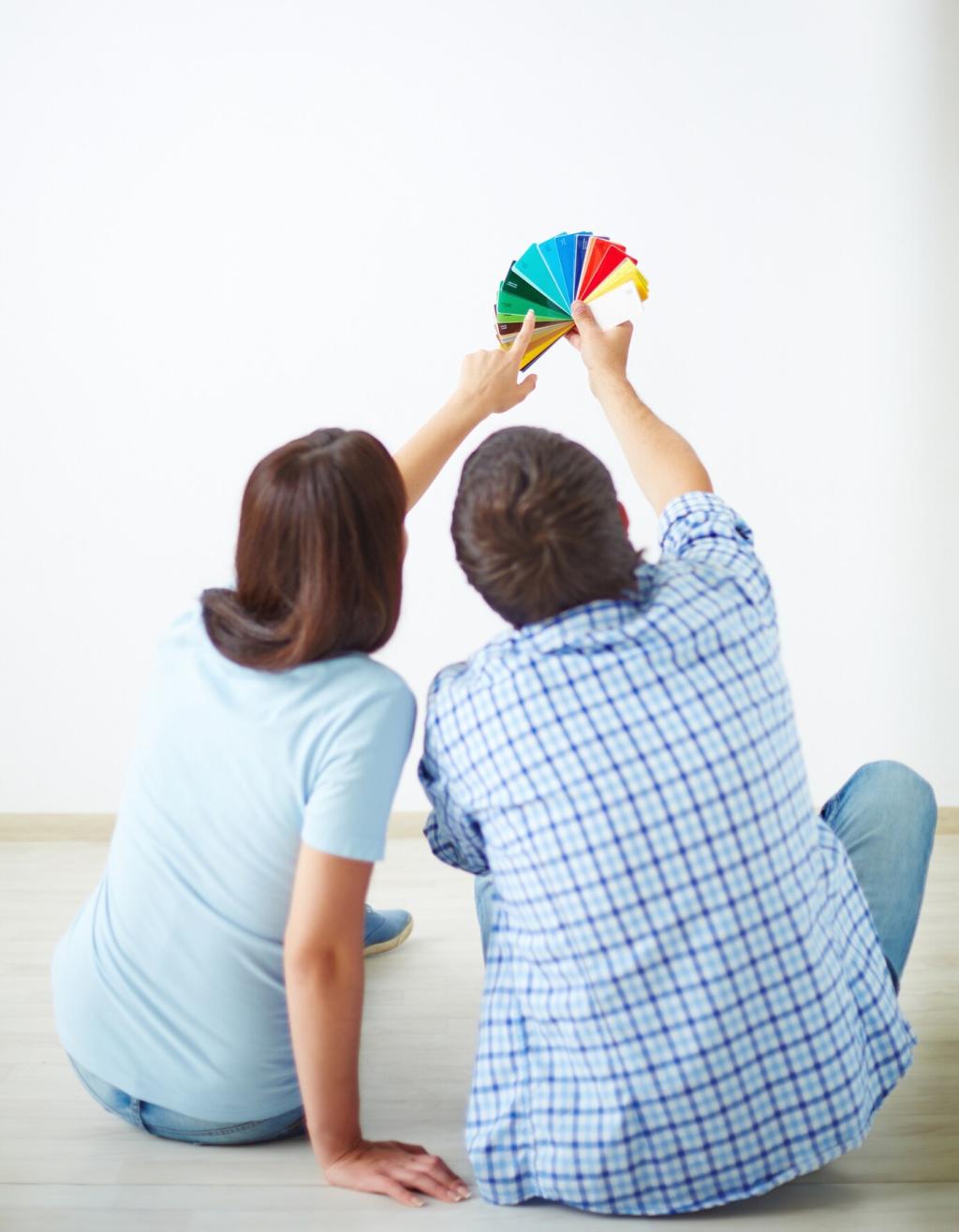
Choose neighbors on the color wheel—like blue, blue-green, and green—for seamless transitions. Vary textures to prevent monotony and rely on value contrast for legibility. Show your analogous trio and we’ll suggest refinements.

Complementary Pop Without Chaos

Pair opposites—like sage and muted coral—but keep one low-chroma and the other carefully dosed. Use textiles or art for accents, not giant surfaces. Share your complementary test swatches for community thumbs-up.

Monochrome Depth Done Right

Work within one hue family and build depth through value steps, texture, and finishes. Think charcoal walls, graphite textiles, and soft black metal. Drop your monochrome mood board; we’ll help adjust contrast for comfort.
Matte absorbs light, calming saturated hues; eggshell cleans easily without harsh glare; gloss reflects, amplifying both color and flaws. Use gloss strategically on durable trims. Tell us where you’ve swapped finishes and why.

Texture, Material, and Finish

Oak, rattan, clay, and linen bring stable, low-chroma warmth that steadies bolder hues. Repeat a wood tone in three places for coherence. Share your anchor material and we’ll suggest a supportive color pair.

Texture, Material, and Finish

Case Study: A Studio Transformed

Before: Restless, Cluttered Energy

The bright sofa dominated mood, bouncing glare off white walls. The tenant reported shallow sleep and constant distraction. Photos revealed chaotic value contrast and no cohesive palette thread connecting zones.

Plan: A Harmonized Palette with Purpose

We introduced a muted teal feature plane to anchor work, sage for sleep, mushroom grey across shared surfaces, and terracotta ceramics for warmth. Lighting shifted to layered lamps. Comment to request the full swatch list.

After: Calm, Spacious, Personal

Perceived clutter dropped as colors repeated predictably. Sleep improved within a week, and video calls looked polished. The red sofa stayed, reupholstered in olive. Share your studio goals and we’ll suggest a starter trio.

DIY Color Experiments You Can Start Today

Mount paint chips, fabric scraps, and finish samples on a foam board. Walk it through every room at different times. Post a photo of your board and ask for two alternative neutrals.

DIY Color Experiments You Can Start Today

Use cushions, throws, and inexpensive curtains to trial hue, value, and chroma. Notice how your mood shifts over a week. Report your observations and crowdsource final paint choices with confidence.

DIY Color Experiments You Can Start Today

Choose the wall you face least to prevent overstimulation, and use a lower-chroma version of your accent color. Share progress pics, and we’ll help fine-tune saturation for harmony.

Sustaining Harmony Over Time

Seasonal Refreshes Without Repainting

Rotate textiles and flowers within your established scheme: winter wool in deep values, summer linens in lighter ones. Tell us your seasonal palette shifts and we’ll propose matching accessory ideas.

Buying with a Palette Filter

Before purchasing decor, compare it to your palette board. If it doesn’t echo a hue or value already present, pause. Share your shortlist; we’ll vote on the most harmonious pick.

Sharing and Refining with Community Feedback

Post two lighting conditions and a grayscale version of your room to assess value balance objectively. Ask the community one focused question. Subscribe to join monthly critique sessions guided by color psychology.
Rknonline-store
Privacy Overview

This website uses cookies so that we can provide you with the best user experience possible. Cookie information is stored in your browser and performs functions such as recognising you when you return to our website and helping our team to understand which sections of the website you find most interesting and useful.